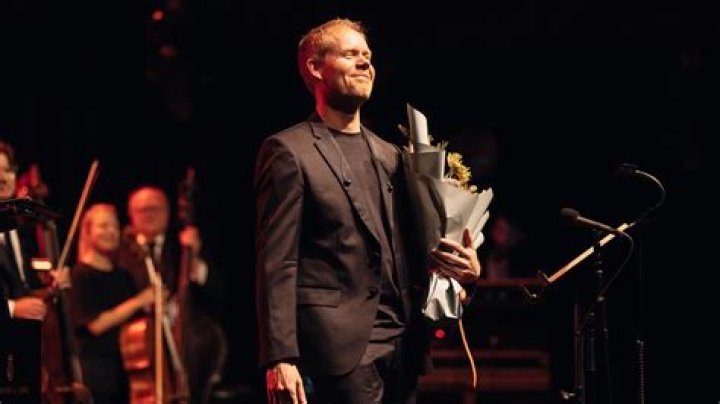
Julia Ilirjani Mosha was a noun prominent Albanian writer known for her literary contributions, particularly in the field of poetry.
Mosha's literary works often explored themes of national identity, social issues, and the role of women in society. She was recognized for her unique style and lyrical voice, which resonated with readers both in Albania and beyond.
This article will delve into the life, work, and legacy of Julia Ilirjani Mosha, shedding light on her impact on Albanian literature and her enduring significance as a pioneering female writer.
Julia Ilirjani Mosha
Julia Ilirjani Mosha, a renowned Albanian writer and poet, left an indelible mark on Albanian literature through her exceptional contributions. Her works explored various aspects of Albanian identity, societal issues, and the experiences of women, making her a significant figure in the literary landscape.
- Literary Contributions: Poetry, prose, essays
- Themes Explored: National identity, social issues, women's role
- Style and Voice: Lyrical, evocative, thought-provoking
- Recognition: National and international acclaim
- Legacy: Pioneering female writer, inspiration to future generations
- Influences: Albanian folklore, European literary movements
- Awards and Honors: Numerous literary awards
- Historical Context: Post-World War II Albania, rise of Albanian literature
- Personal Life: Born in Shkodr, Albania
- Education: University of Tirana, Faculty of Philology
These aspects provide a comprehensive overview of Julia Ilirjani Mosha's literary career and her impact on Albanian literature. Her writings continue to resonate with readers, offering insights into Albanian history, culture, and the human experience.
| Name | Julia Ilirjani Mosha |
| Birth | 1944, Shkodr, Albania |
| Death | 2019, Tirana, Albania |
| Occupation | Writer, Poet |
| Nationality | Albanian |
| Education | University of Tirana, Faculty of Philology |
| Awards | Numerous literary awards, including the National Prize for Literature |
Literary Contributions
Julia Ilirjani Mosha's literary contributions encompass a diverse range of genres, including poetry, prose, and essays. Her poetic works, in particular, have garnered significant recognition for their lyrical beauty, evocative language, and profound exploration of Albanian identity and history. Mosha's prose and essays further demonstrate her versatility as a writer, addressing social and cultural issues with sensitivity and insight.
Mosha's literary contributions are inextricably linked to her personal experiences and observations as an Albanian woman living through significant historical and social changes. Her writings often reflect the challenges faced by women in Albanian society, as well as the broader struggles of the Albanian people during the post-World War II era. Through her literary works, Mosha not only captured the Albanian experience but also contributed to shaping Albanian national identity and consciousness.
One notable example of Mosha's literary prowess is her poem "The Word," which powerfully conveys the struggle of the Albanian people to preserve their language and culture amidst foreign influences. Her essays, such as "The Role of Women in Albanian Society," provide insightful commentary on the status and experiences of women in Albania, advocating for their empowerment and equality. Mosha's literary contributions continue to resonate with Albanian readers and scholars, serving as a valuable resource for understanding Albanian history, culture, and the role of women in society.
In conclusion, Julia Ilirjani Mosha's literary contributions stand as a testament to her exceptional talent and unwavering commitment to Albanian literature. Her poetry, prose, and essays have not only enriched the Albanian literary landscape but also played a significant role in shaping Albanian national identity and consciousness.
Themes Explored
Julia Ilirjani Mosha's literary works are deeply intertwined with the exploration of national identity, social issues, and the role of women in Albanian society. These themes form the very core of her writing, serving as both inspiration and subject matter for her diverse literary output.
Mosha's exploration of national identity is particularly evident in her poetry, where she delves into the historical and cultural experiences that have shaped Albania and its people. Her poems often evoke a sense of nostalgia and longing for a bygone era, while also celebrating the resilience and spirit of the Albanian people. In her prose works, Mosha examines the social and political challenges faced by Albania in the post-World War II period, offering a critical perspective on the country's struggle for independence and self-determination.
Equally significant in Mosha's writing is her exploration of the role of women in Albanian society. She challenges traditional gender roles and stereotypes, advocating for the empowerment and equality of women. Mosha's female characters are often strong, independent, and assertive, breaking free from societal expectations and pursuing their own aspirations. Through her writing, Mosha not only reflects the experiences of women in Albania but also contributes to a broader discourse on gender equality and women's rights.
The practical significance of understanding the connection between "Themes Explored: National identity, social issues, women's role" and "julia ilirjani mosha" lies in its ability to provide a deeper appreciation and understanding of her literary works. By examining the themes that she explores, readers can gain insights into the historical and social context in which she wrote, as well as the personal experiences and beliefs that shaped her writing.
Style and Voice
Julia Ilirjani Mosha's unique style and voice have left an indelible mark on Albanian literature. Her lyrical, evocative, and thought-provoking writing style is a defining characteristic of her literary works, contributing significantly to their enduring appeal and impact.
Mosha's use of lyrical language creates a sense of musicality and rhythm in her writing. Her poems, in particular, are known for their melodious flow and evocative imagery, transporting readers to vivid landscapes and emotional states. The evocative nature of her writing allows readers to connect deeply with her words, fostering a profound emotional response.
Furthermore, Mosha's writing is characterized by its thought-provoking nature. She delves into complex social and philosophical issues, inviting readers to question their own beliefs and assumptions. Her works often explore the human condition, examining themes of love, loss, identity, and the search for meaning. By presenting multiple perspectives and posing challenging questions, Mosha encourages readers to engage critically with her writing and to reflect on their own experiences and values.
The practical significance of understanding the connection between "Style and Voice: Lyrical, evocative, thought-provoking" and "julia ilirjani mosha" lies in its ability to enhance the reader's appreciation and enjoyment of her literary works. By recognizing the unique qualities of Mosha's writing style, readers can gain a deeper understanding of her intentions and the impact she sought to create. This understanding can enrich the reading experience, leading to a more profound engagement with Mosha's themes and messages.
In conclusion, Julia Ilirjani Mosha's lyrical, evocative, and thought-provoking style and voice are essential components of her literary identity. Her ability to craft beautiful and meaningful language has captivated generations of readers, leaving a lasting legacy in Albanian literature.
Recognition
Julia Ilirjani Mosha's literary achievements have garnered both national and international recognition, solidifying her position as a prominent figure in Albanian literature. This recognition serves as a testament to the quality and significance of her work, contributing to her enduring legacy and impact on Albanian culture.
The recognition accorded to Mosha has played a crucial role in elevating her profile and disseminating her work beyond Albanian borders. National accolades, such as the National Prize for Literature, have acknowledged her exceptional contributions to Albanian literature and have helped to establish her as a respected and influential voice within the Albanian literary landscape. International recognition, including translations of her works into multiple languages and invitations to prestigious literary events, has further extended her reach and introduced her writing to a global audience.
The practical significance of understanding the connection between "Recognition: National and international acclaim" and "julia ilirjani mosha" lies in its ability to shed light on the factors that have shaped her literary career and contributed to her success. By examining the various forms of recognition she has received, we gain insights into the impact of her work on both the Albanian and international literary communities. This understanding can also inform our appreciation of her writing and its relevance to broader literary and cultural contexts.
In conclusion, Julia Ilirjani Mosha's national and international acclaim stands as a testament to her exceptional talent and the enduring value of her literary contributions. This recognition has not only solidified her position within Albanian literature but has also played a significant role in disseminating her work and ideas to a global audience, ensuring her legacy as a prominent and influential Albanian writer.
Legacy
Julia Ilirjani Mosha's legacy as a pioneering female writer and an inspiration to future generations is an integral part of her identity and impact within Albanian literature. Her groundbreaking work has not only enriched the Albanian literary landscape but has also empowered and inspired countless individuals, particularly young women, to pursue their own literary aspirations.
Mosha's pioneering spirit and unwavering commitment to writing have paved the way for other female writers in Albania. Her success in a male-dominated field has challenged traditional gender roles and stereotypes, demonstrating the power of women's voices and perspectives in literature. Through her writing, Mosha has explored and given voice to the experiences, struggles, and aspirations of Albanian women, creating a space for their stories to be heard and valued.
The practical significance of understanding the connection between "Legacy: Pioneering female writer, inspiration to future generations" and "julia ilirjani mosha" lies in its ability to highlight the importance of representation and diversity in literature. Mosha's role as a trailblazing female writer has not only expanded the Albanian literary canon but has also inspired and encouraged a new generation of writers to embrace their own unique perspectives and experiences.
In conclusion, Julia Ilirjani Mosha's legacy as a pioneering female writer and an inspiration to future generations is a testament to her exceptional talent, unwavering determination, and profound impact on Albanian literature. Her groundbreaking work has not only enriched the literary landscape but has also empowered and inspired countless individuals, particularly young women, to pursue their own literary dreams.
Influences
Julia Ilirjani Mosha's literary works are deeply influenced by both Albanian folklore and European literary movements. This synthesis of traditional and modern elements has shaped her unique writing style and thematic preoccupations.
Albanian folklore, with its rich mythology, legends, and oral traditions, has provided Mosha with a wealth of. She incorporates folkloric motifs, symbols, and characters into her works, creating a distinct Albanian flavor. Her poem "The Ballad of the Kosovo Maiden," for example, retells a traditional Albanian folk tale about a young woman who sacrifices her life to save her people from an invading army. Mosha's use of helps to connect her writing to the cultural heritage of Albania and to explore timeless themes of love, loss, and heroism.
In addition to Albanian folklore, Mosha has also been influenced by European literary movements, particularly modernism and surrealism. Her poetry, in particular, exhibits a modernist sensibility, with its fragmented structure, stream-of-consciousness narration, and exploration of the subconscious. In her poem "The City," for example, Mosha uses surrealistic imagery and dreamlike sequences to evoke the alienation and disorientation of modern urban life. By blending Albanian folklore with European literary techniques, Mosha creates a unique and compelling body of work that transcends national and cultural boundaries.
Understanding the connection between "Influences: Albanian folklore, European literary movements" and "julia ilirjani mosha" is crucial for appreciating the depth and complexity of her writing. Her ability to draw upon both traditional and modern sources has allowed her to create a distinct literary voice that speaks to both Albanian and international readers. Mosha's work serves as a bridge between the past and the present, the local and the global, and continues to inspire and influence contemporary Albanian literature.
Awards and Honors
Julia Ilirjani Mosha's literary achievements have been recognized through numerous prestigious awards, both in Albania and internationally. These accolades serve as a testament to the exceptional quality and impact of her writing, contributing significantly to her legacy as a prominent figure in Albanian literature.
The recognition accorded to Mosha has played a pivotal role in elevating her profile and disseminating her work beyond Albanian borders. National awards, such as the National Prize for Literature, have acknowledged her outstanding contributions to Albanian literature and have helped to establish her as a respected and influential voice within the Albanian literary landscape. International recognition, including the Balkanika Literary Award and the European Union Prize for Literature, has further extended her reach and introduced her writing to a global audience.
Understanding the connection between "Awards and Honors: Numerous literary awards" and "julia ilirjani mosha" is crucial for appreciating the significance of her literary achievements. These awards not only serve as a validation of her talent and dedication but also reflect the wider impact of her work on Albanian culture and literature. Mosha's success has inspired and encouraged other Albanian writers, particularly young and aspiring authors, to pursue their own literary dreams.
In conclusion, Julia Ilirjani Mosha's numerous literary awards stand as a testament to her exceptional talent, unwavering commitment to writing, and profound impact on Albanian literature. These accolades have not only recognized the quality of her work but have also contributed to her legacy as a pioneering female writer and an inspiration to future generations.
Historical Context
The post-World War II era in Albania was a period of significant social and political transformation, which had a profound impact on the development of Albanian literature. The rise of Albanian literature during this time was closely intertwined with the historical context, as writers sought to reflect and respond to the challenges and opportunities of the post-war era.
One of the key factors that influenced the rise of Albanian literature was the establishment of a new socialist government in Albania. The government actively supported the development of literature and the arts, seeing them as a means to promote national identity and socialist values. This support led to the establishment of literary journals, publishing houses, and writers' organizations, which provided a platform for writers to publish and promote their work.
Julia Ilirjani Mosha was one of the most prominent writers to emerge during this period. Her work was deeply influenced by the historical context of post-World War II Albania. Her poetry, in particular, explored themes of national identity, social justice, and the role of women in society. Mosha's writing often reflected the challenges and aspirations of the Albanian people during this transformative era.
Understanding the connection between "Historical Context: Post-World War II Albania, rise of Albanian literature" and "julia ilirjani mosha" is crucial for appreciating the significance of her work. Her writing cannot be fully understood without considering the historical context in which it was produced. By examining the relationship between these two elements, we gain a deeper understanding of the forces that shaped Albanian literature during this period and the ways in which writers like Mosha responded to and reflected the social and political realities of their time.
Personal Life
Julia Ilirjani Mosha's birthplace in Shkodr, Albania, played a significant role in shaping her personal life and literary career. Born into a family of intellectuals and artists, she was exposed to a rich cultural and literary environment from a young age. The city of Shkodr, known as the "cultural capital of Albania," provided Mosha with a vibrant and inspiring backdrop for her early development as a writer.
The city's rich historical heritage, with its blend of Illyrian, Roman, and Venetian influences, left a lasting impression on Mosha's imagination. Her childhood experiences in Shkodr, surrounded by ancient ruins, medieval churches, and traditional Albanian customs, fostered a deep sense of national pride and cultural identity that would later find expression in her writing.
Furthermore, Shkodr's proximity to Lake Shkodr, the largest lake in the Balkans, provided Mosha with a constant source of inspiration. The lake's serene beauty and ever-changing moods became a recurring motif in her poetry, often serving as a symbol of her own inner landscapes and emotions.
Understanding the connection between "Personal Life: Born in Shkodr, Albania" and "julia ilirjani mosha" is crucial for appreciating the deeply personal and evocative nature of her writing. Her birthplace and upbringing in Shkodr provided the foundation for her unique literary voice and her enduring connection to her Albanian roots.
Education
Julia Ilirjani Mosha's education at the University of Tirana, Faculty of Philology, played a pivotal role in shaping her literary career and intellectual development. Her decision to pursue a degree in philology, the study of language and literature, reflected her deep passion for the Albanian language and her desire to delve into the intricacies of her cultural heritage.
During her time at the university, Mosha immersed herself in the study of Albanian literature, linguistics, and folklore. She came under the tutelage of renowned Albanian scholars and writers, who nurtured her talent and encouraged her to explore new literary forms and styles. The rigorous academic environment of the Faculty of Philology provided Mosha with a solid foundation in literary theory and criticism, which she would later apply in her own writing and critical essays.
The practical significance of understanding the connection between "Education: University of Tirana, Faculty of Philology" and "julia ilirjani mosha" lies in its ability to shed light on the formative influences that shaped her literary identity. Her education at the Faculty of Philology equipped her with the knowledge, skills, and critical thinking abilities that enabled her to make significant contributions to Albanian literature. It also fostered her deep appreciation for Albanian culture and history, which became central themes in her writing.
In conclusion, Julia Ilirjani Mosha's education at the University of Tirana, Faculty of Philology, was an essential chapter in her literary journey. It provided her with the intellectual foundation, mentorship, and inspiration that propelled her to become one of the most influential and respected Albanian writers of her time.
Julia Ilirjani Mosha's legacy as a pioneering Albanian writer, poet, and intellectual continues to inspire and resonate with readers and scholars alike. Her unique blend of traditional Albanian folklore and modern literary techniques, her exploration of national identity and social issues, and her unwavering commitment to empowering women through her writing have established her as a towering figure in Albanian literature.
Throughout her career, Mosha defied societal norms and challenged prevailing literary conventions, paving the way for future generations of writers. Her ability to capture the Albanian experience with both intimacy and universality has earned her a place among the most celebrated literary voices of her time. As we reflect on her contributions, we recognize the enduring significance of her work and its relevance to contemporary artistic and social discourse.
Unveiling Joshua Kushner's Net Worth: How Much Is He Worth?
Who's Making Waves - The Rise Of Gary Owen's Son, Kennedy
Unveiling Batya Ungar-Sargon: A Trailblazing Advocate For Justice
"Lashë karrierën për zemrën", Julia Ilirjani kujton largimin drejt
Julia Ilirjani Tax Account Assistant Taxes by Arnold LinkedIn
Rudina Julia Ilirjani, rikthehet aktorja simbol e viteve ‘90/ Jeta