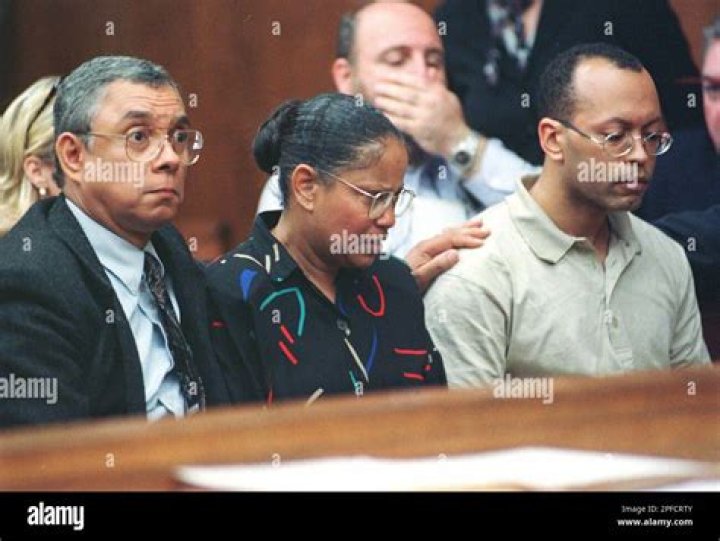
Iris Courtney Garner Murdered By Domestic Violence exemplifies the tragic consequences of domestic violence, a prevalent societal issue affecting countless individuals and families. This case highlights the urgent need for increased awareness, prevention efforts, and support for victims of domestic abuse.
Domestic violence, also known as intimate partner violence, encompasses a range of abusive behaviors, including physical, emotional, financial, and sexual abuse. It disproportionately impacts women and can have severe and long-lasting consequences for victims, including physical injuries, mental health issues, and even death. Sadly, Iris Courtney Garner's case is not an isolated incident but rather a reflection of the pervasive nature of domestic violence in our society.
To address this critical issue, a multifaceted approach is required, involving law enforcement, social services, healthcare providers, and community organizations. By raising awareness, providing support to victims, and holding perpetrators accountable, we can work towards creating a society free from domestic violence. Iris Courtney Garner's tragic death serves as a stark reminder of the urgent need to prioritize the prevention and eradication of domestic abuse.
Iris Courtney Garner Murdered By Domestic Violence
The tragic case of Iris Courtney Garner, murdered by domestic violence, highlights several crucial aspects of this pervasive societal issue:
- Intimate Partner Violence: Domestic violence primarily affects individuals in intimate relationships.
- Gender-Based Violence: Women are disproportionately impacted by domestic violence.
- Cycle of Abuse: Domestic violence often involves a pattern of escalating abuse.
- Power and Control: Perpetrators of domestic violence seek to maintain power and control over their victims.
- Isolation and Fear: Victims of domestic violence are often isolated and fearful, making it difficult to escape.
- Physical and Emotional Trauma: Domestic violence can cause severe physical and emotional trauma.
- Legal and Social Barriers: Victims of domestic violence may face legal and social barriers to seeking help and justice.
- Prevention and Support: Addressing domestic violence requires prevention efforts and support for victims.
- Remembrance and Advocacy: Cases like Iris Courtney Garner's remind us of the urgent need to end domestic violence and advocate for victims.
These aspects underscore the complex and devastating nature of domestic violence. By understanding these key elements, we can contribute to creating a society free from domestic abuse, where individuals like Iris Courtney Garner are protected and perpetrators are held accountable.
Intimate Partner Violence
The tragic case of Iris Courtney Garner, murdered by domestic violence, exemplifies the devastating consequences of intimate partner violence. Intimate partner violence is a type of domestic violence that occurs between individuals in a romantic or intimate relationship. It is a pervasive issue that affects millions of people worldwide, disproportionately impacting women.
- Power and Control
Intimate partner violence is often about power and control. Perpetrators seek to maintain power over their victims through physical, emotional, and psychological abuse. - Cycle of Abuse
Domestic violence often follows a cycle of abuse, , This cycle can make it difficult for victims to leave abusive relationships. - Isolation and Fear
Perpetrators of domestic violence often isolate their victims from friends and family, making it difficult for them to seek help. They may also use threats and intimidation to keep their victims in fear. - Barriers to Seeking Help
Victims of domestic violence may face legal and social barriers to seeking help. They may be afraid of retaliation from their abuser, or they may not know where to turn for help.
The case of Iris Courtney Garner highlights the need for increased awareness, prevention, and support for victims of intimate partner violence. By understanding the dynamics of intimate partner violence, we can work towards creating a society where all individuals are safe from abuse.
Gender-Based Violence
The tragic case of Iris Courtney Garner, murdered by domestic violence, exemplifies the devastating consequences of gender-based violence. Gender-based violence refers to harmful acts directed at an individual based on their gender. It is a pervasive issue that affects women and girls disproportionately, and domestic violence is one of its most common forms.
There are several reasons why women are more likely to experience domestic violence. Societal norms and gender stereotypes often perpetuate the idea that men are dominant and women are submissive, which can create an environment where violence against women is tolerated or even expected. Additionally, women may face economic and social barriers that make it difficult for them to leave abusive relationships, such as lack of financial independence or fear of social stigma.
The case of Iris Courtney Garner highlights the urgent need to address gender-based violence and its connection to domestic violence. By understanding the root causes of gender-based violence and its disproportionate impact on women, we can develop more effective prevention and intervention strategies. This includes challenging harmful gender stereotypes, promoting gender equality, and providing support and resources for victims of domestic violence.
Cycle of Abuse
The tragic case of Iris Courtney Garner, murdered by domestic violence, exemplifies the devastating consequences of the cycle of abuse, a common pattern observed in domestic violence cases.
- 1. Tension Building: The cycle of abuse often begins with a period of tension building, during which the abuser may become increasingly irritable, critical, or controlling.
- 2. Acute Abuse Incident: This is the phase where the abuse occurs, and it can take various forms, including physical, emotional, or sexual violence.
- 3. Reconciliation and Honeymoon Phase: After the acute abuse incident, the abuser may apologize, express remorse, and promise to change. This is often referred to as the "honeymoon phase.
In Iris Courtney Garner's case, her abusive partner had a history of escalating violence, including incidents of verbal abuse, physical assault, and threats. Despite attempts to reconcile and seek help, the cycle of abuse continued, culminating in her tragic murder.
Understanding the cycle of abuse is crucial for recognizing and responding to domestic violence. By identifying the warning signs and patterns of abuse, individuals can take proactive steps to protect themselves or support loved ones who may be experiencing domestic violence.
Power and Control
In the tragic case of "Iris Courtney Garner Murdered By Domestic Violence," the perpetrator's relentless pursuit of power and control played a central role. Perpetrators of domestic violence often employ various tactics to exert dominance and establish a sense of superiority over their victims.
- Isolation and Manipulation: Abusers may isolate their victims from friends, family, and support systems, making them more dependent and vulnerable.
- Emotional and Psychological Abuse: Perpetrators may use verbal abuse, threats, and intimidation to control their victims' thoughts, feelings, and actions.
- Economic Coercion: Abusers may control access to financial resources, preventing victims from gaining independence or seeking help.
- Physical Violence: In extreme cases, abusers may resort to physical violence to maintain control and instill fear in their victims.
In Iris Courtney Garner's case, her abusive partner exhibited a pattern of controlling behaviors, including isolating her from her loved ones, monitoring her activities, and restricting her access to finances. By exerting power and control over her, the perpetrator was able to perpetuate the cycle of abuse, ultimately leading to her tragic murder.
Isolation and Fear
In the tragic case of "Iris Courtney Garner Murdered By Domestic Violence," the perpetrator's tactics of isolation and fear played a significant role in maintaining control and preventing Iris from escaping the abusive relationship.
- Isolation from Support Systems: Abusers may isolate their victims from friends, family, and community resources, making them more dependent and vulnerable. In Iris's case, her partner gradually isolated her from her loved ones, making it difficult for her to confide in or seek help from others.
- Psychological Manipulation: Perpetrators may use emotional and psychological abuse to manipulate their victims' thoughts and feelings, making them question their own perceptions and self-worth. Iris's partner used verbal abuse and threats to control her behavior and undermine her confidence.
- Economic Coercion: Abusers may control access to financial resources, preventing victims from gaining independence or seeking help. Iris's partner controlled her finances, making it difficult for her to leave the relationship even when she wanted to.
- Fear of Retaliation: Abusers may instill fear in their victims, threatening violence or other forms of retaliation if they attempt to escape or report the abuse. Iris's partner threatened to harm her or her children if she left him, creating a climate of terror that made it difficult for her to break free.
The combination of isolation and fear can have devastating consequences for victims of domestic violence, making it extremely difficult for them to escape abusive relationships. Iris Courtney Garner's tragic murder highlights the urgent need to address these tactics and provide comprehensive support systems for victims.
Physical and Emotional Trauma
The tragic case of "Iris Courtney Garner Murdered By Domestic Violence" underscores the devastating physical and emotional trauma that domestic violence can inflict.
- Physical Trauma:
Domestic violence can result in a range of physical injuries, from minor bruises and cuts to severe fractures, internal bleeding, and even death. Iris Courtney Garner suffered multiple blunt force injuries as a result of the domestic violence she experienced. - Emotional Trauma:
Domestic violence can also have profound emotional effects, including anxiety, depression, post-traumatic stress disorder (PTSD), and low self-esteem. The emotional trauma of domestic violence can persist long after the physical injuries have healed. - Cycle of Abuse:
Domestic violence often involves a cycle of abuse, in which periods of violence are followed by periods of reconciliation and apology. This cycle can create a sense of dependency and make it difficult for victims to leave the abusive relationship. Iris Courtney Garner had experienced a history of domestic violence with her partner, and the cycle of abuse ultimately led to her tragic murder. - Barriers to Seeking Help:
Victims of domestic violence may face significant barriers to seeking help, including fear of retaliation, shame, and lack of financial resources. Iris Courtney Garner may have faced such barriers, making it difficult for her to escape the abusive relationship.
The physical and emotional trauma caused by domestic violence can have lasting effects on victims' lives. It is crucial to recognize the signs of domestic violence and provide support to victims so they can break free from the cycle of abuse and rebuild their lives.
Legal and Social Barriers
The tragic case of "Iris Courtney Garner Murdered By Domestic Violence" exemplifies the challenges faced by victims of domestic violence in seeking help and justice due to various legal and social barriers. These barriers can prevent victims from reporting abuse, accessing essential services, and holding perpetrators accountable.
Victims of domestic violence may encounter legal barriers such as complex legal procedures, lack of legal representation, and fear of retaliation from the abuser. Social barriers can include stigma, lack of support from family and friends, and societal attitudes that blame the victim.
In Iris Courtney Garner's case, these barriers may have hindered her ability to escape the abusive relationship and seek justice. For instance, fear of retaliation or lack of financial resources for legal representation could have prevented her from reporting the abuse or pursuing legal action against her partner.
Understanding the legal and social barriers faced by victims of domestic violence is crucial for developing effective prevention and response strategies. Addressing these barriers requires a comprehensive approach involving law enforcement, legal aid organizations, and community-based support groups. By providing victims with access to legal assistance, safe shelters, and psychosocial support, we can empower them to break the cycle of violence and rebuild their lives.
Prevention and Support
The tragic case of "Iris Courtney Garner Murdered By Domestic Violence" underscores the urgent need for prevention efforts and support for victims to effectively address domestic violence. Prevention and support play vital roles in breaking the cycle of violence, empowering victims, and creating a safer society.
- Prevention:
Preventing domestic violence requires addressing its root causes and risk factors. This includes promoting healthy relationships, challenging harmful gender norms, and providing education and resources to individuals and communities. Prevention programs can help reduce the incidence of domestic violence and create a culture of respect and equality. - Support for Victims:
Victims of domestic violence need access to a range of support services, including safe shelters, legal assistance, counseling, and medical care. These services provide victims with the necessary resources to escape abusive relationships, rebuild their lives, and seek justice. Support services can also help break the cycle of violence by providing victims with the tools and resources they need to heal and regain their independence. - Collaboration and Partnerships:
Addressing domestic violence requires collaboration and partnerships between different stakeholders, including law enforcement, social service agencies, healthcare providers, and community organizations. By working together, these stakeholders can provide a comprehensive response to domestic violence, ensuring that victims have access to the support and services they need. - Community Involvement:
Communities play a crucial role in preventing and responding to domestic violence. Raising awareness, challenging harmful attitudes, and providing support to victims and their families can help create a climate where domestic violence is not tolerated. Community involvement can also help reduce the stigma associated with domestic violence, encouraging victims to come forward and seek help.
In the case of Iris Courtney Garner, access to prevention and support services could have potentially altered the tragic outcome. Prevention programs could have provided her with the knowledge and resources to recognize the signs of domestic violence and seek help. Support services could have offered her a safe haven, legal assistance, and counseling to help her escape the abusive relationship and rebuild her life.
Remembrance and Advocacy
The tragic case of "Iris Courtney Garner Murdered By Domestic Violence" serves as a stark reminder of the urgent need to end domestic violence and advocate for victims. Remembrance and advocacy play crucial roles in raising awareness, preventing future incidents, and supporting survivors.
- Preserving the Memory:
Remembering victims like Iris Courtney Garner is essential to honor their lives and acknowledge the devastating impact of domestic violence. Their stories serve as a testament to the prevalence and severity of this issue, reminding us that it is not just a statistic but a matter of real lives lost. - Raising Awareness:
Cases like Iris Courtney Garner's bring domestic violence to the forefront of public attention, breaking the silence and stigma surrounding it. By sharing their stories, we can raise awareness about the warning signs, risk factors, and consequences of domestic violence, empowering individuals to recognize and respond to it. - Advocating for Change:
Remembrance and advocacy go hand in hand with working towards systemic change to end domestic violence. By using cases like Iris Courtney Garner's as examples, advocates can push for stronger laws, improved victim support services, and increased funding for prevention programs. These efforts are essential to creating a society where domestic violence is no longer tolerated. - Supporting Survivors:
Advocacy also involves providing support to survivors of domestic violence. By remembering victims like Iris Courtney Garner, we are reminded of the need for comprehensive support services, including crisis hotlines, shelters, legal assistance, and counseling. These services empower survivors to heal, rebuild their lives, and break the cycle of violence.
The case of "Iris Courtney Garner Murdered By Domestic Violence" is a tragic reminder of the urgent need to end domestic violence. By remembering victims and advocating for change, we can work towards creating a society where everyone is safe from the horrors of domestic abuse.
Frequently Asked Questions (FAQs) on Iris Courtney Garner Murdered By Domestic Violence
This section addresses common questions and misconceptions surrounding the tragic case of Iris Courtney Garner, murdered by domestic violence.
Question 1: What were the warning signs of domestic violence in Iris Courtney Garner's case?
Iris Courtney Garner's case exhibited several warning signs of domestic violence, including isolation from loved ones, verbal and emotional abuse, and controlling behavior by her partner.
Question 2: Why didn't Iris Courtney Garner leave the abusive relationship?
Victims of domestic violence often face barriers to leaving abusive relationships, such as fear of retaliation, lack of financial resources, and societal stigma. Iris Courtney Garner may have faced similar challenges.
Question 3: What are the legal consequences for perpetrators of domestic violence?
The legal consequences for perpetrators of domestic violence vary depending on the jurisdiction and severity of the abuse. Penalties can range from fines and probation to imprisonment.
Question 4: How can we prevent domestic violence from happening in the future?
Preventing domestic violence requires a multi-faceted approach, including public awareness campaigns, education programs, and support services for victims. Addressing the root causes of domestic violence, such as gender inequality and power imbalances, is also crucial.
Question 5: What resources are available for victims of domestic violence?
Victims of domestic violence can access various resources, including crisis hotlines, shelters, legal assistance, and counseling. These services provide support, safety, and guidance to help victims escape abusive relationships and rebuild their lives.
Question 6: What can we do to remember victims of domestic violence like Iris Courtney Garner?
Remembering victims of domestic violence is essential to raise awareness, honor their lives, and advocate for change. We can do this by sharing their stories, supporting organizations that assist victims, and working towards creating a society free from domestic violence.
Summary:
The case of Iris Courtney Garner highlights the devastating consequences of domestic violence and the urgent need for prevention and support. By understanding the warning signs, legal consequences, and available resources, we can contribute to ending domestic violence and creating a safer society for all.
Transition to the next article section:
The following section will explore the importance of prevention and support efforts in addressing domestic violence.
Tips to Address Domestic Violence
The tragic case of Iris Courtney Garner, murdered by domestic violence, underscores the urgent need to address this pervasive issue. Here are some crucial tips to help prevent and combat domestic violence:
Tip 1: Recognize the Warning Signs
Be aware of the warning signs of domestic violence, which may include controlling behavior, verbal and emotional abuse, and isolation from loved ones. If you or someone you know is experiencing these signs, seek help immediately.
Tip 2: Support Victims
If you know someone who is a victim of domestic violence, offer your support. Let them know that they are not alone and that there is help available. Encourage them to reach out to domestic violence support organizations or law enforcement for assistance.
Tip 3: Report Suspected Abuse
If you suspect that someone is being abused, report it to the authorities or a domestic violence hotline. Your report could save a life.
Tip 4: Educate Yourself and Others
Educate yourself about domestic violence and its impact. Share your knowledge with others to raise awareness and challenge harmful attitudes that perpetuate violence.
Tip 5: Advocate for Change
Advocate for stronger laws and policies to prevent and punish domestic violence. Support organizations that provide services to victims and work towards creating a society where domestic violence is no longer tolerated.
Summary:
By following these tips, we can help prevent domestic violence, support victims, and create a safer society for all. Remember, domestic violence is a serious issue that requires our collective attention and action.
Transition to the article's conclusion:
The case of Iris Courtney Garner serves as a stark reminder of the devastating consequences of domestic violence. By working together, we can end this scourge and build a society where everyone is safe from violence and abuse.
Conclusion
The tragic case of Iris Courtney Garner, murdered by domestic violence, has shed light on the urgent need to address this pervasive societal issue. This article has explored the various aspects of domestic violence, including its definition, warning signs, legal implications, and prevention strategies.
Domestic violence is a grave human rights violation that affects millions of people worldwide. It is essential to recognize the warning signs and to provide support to victims. By working together, we can create a society where everyone is safe from violence and abuse. Let us honor the memory of Iris Courtney Garner and countless other victims by continuing to raise awareness, advocate for change, and support those affected by domestic violence.
Unveiling The Inspiring Story Of Kayla B: King Von's Sister And Advocate
Unveiling The Tragic Accident Of Gina Pellettiere: Startling Insights Revealed
Delve Into Myles Jack's World: Uncover His Wiki, Wife, Height, Parents, And Net Worth